





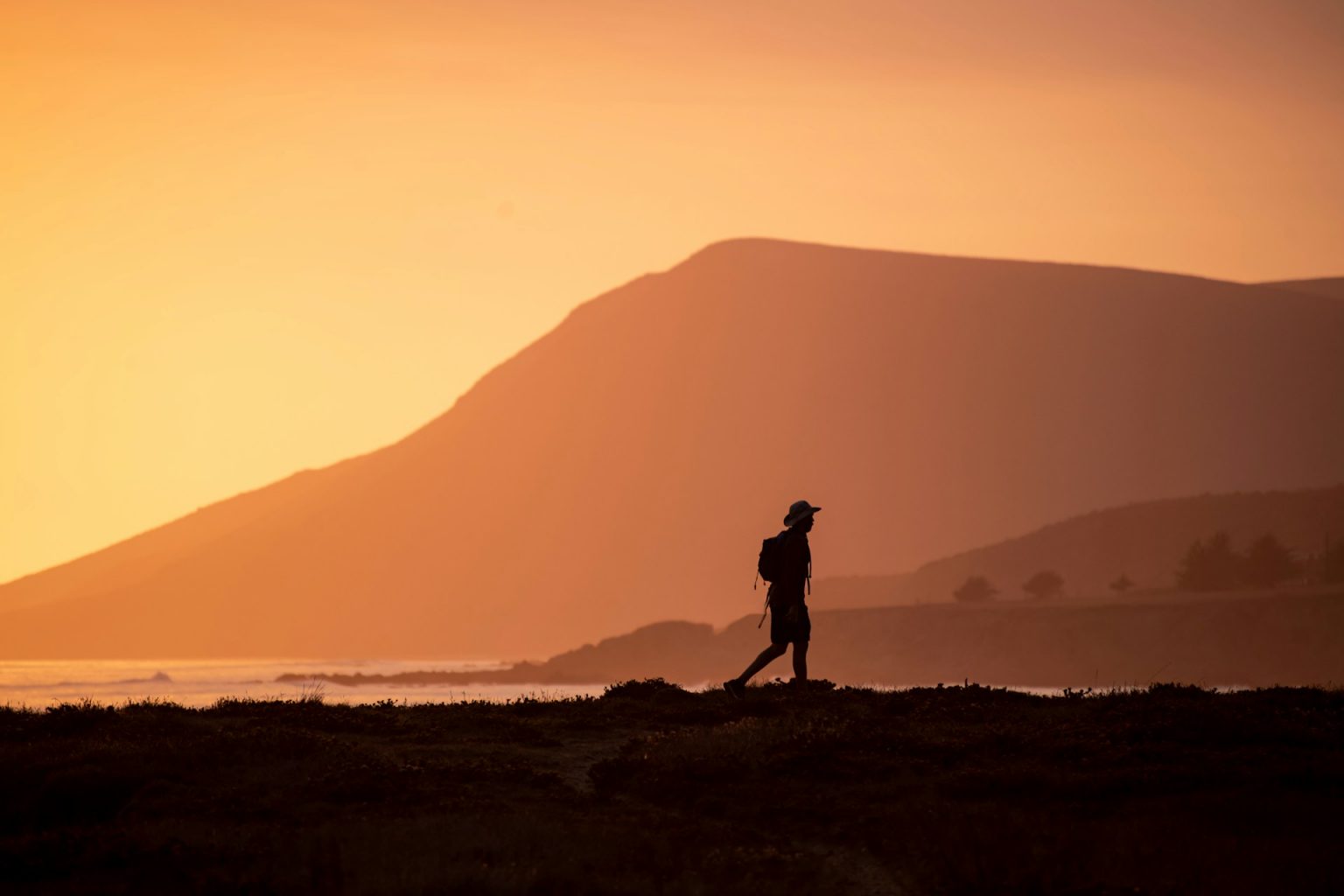

Solo hiking offers a unique sense of freedom. Without the pressure of keeping pace with others, you can slow down, connect with the landscape, and enjoy every step of the trail. Adding tea to the experience deepens that sense of calm. A warm cup encourages you to pause, breathe, and truly settle into your surroundings. For many hikers, especially beginners, tea becomes a grounding ritual that turns a simple break into something memorable.
Why Bring Tea on a Solo Hike?
Tea naturally complements the quiet rhythm of solo hiking. It provides warmth, helps regulate body temperature on cooler days, and offers gentle hydration without weighing down your pack. Certain teas, like green and oolong, provide a mild energy boost that keeps you alert without the jitteriness of stronger caffeine sources. Beyond its practical benefits, tea brings comfort and mindfulness to the trail, encouraging a peaceful moment of reflection in nature.
Essential Tips for Bringing Tea on a Solo Hike
One of the simplest ways to elevate your hike without overcomplicating your gear is to keep your tea kit lightweight. A small insulated flask or mug, a compact stove if you plan on heating water, and a simple infuser are often all you need. Many beginners prefer high-quality tea bags because they pack neatly and require no cleanup, but loose leaf tea can add more flavour if you don’t mind carrying a small infuser.
Choosing the right tea makes a noticeable difference outdoors. Green tea is refreshing and energising, herbal blends provide hydration and are gentle on the stomach, and oolong holds its flavour well even when water temperature isn’t perfect. Black tea is ideal for colder hikes thanks to its bold, warming profile. More delicate teas, such as white tea, can be wonderful but may be trickier to brew without controlled water temperatures.
Water planning is also essential. Always bring enough water for both hydration and tea-making, especially on longer routes. If you’re travelling through areas with natural water sources, only use them if you have a proper filtration or purification system. Your tea break should be enjoyable, not risky.
Safety Advice for Solo Hikers
Safety should always be your top priority on solo hikes. Start by letting someone know your route, your expected return time, and any planned stops. This small step ensures that someone can help if you run into trouble or take longer than expected.
Stick to well-marked trails, especially if you’re still building confidence in navigation. Even experienced hikers can lose their way, and staying on established routes significantly reduces the risk of getting lost.
When it comes to brewing tea, choose a spot that is stable, sheltered, and safe. Avoid exposed ridges, windy open areas, and locations with dry grass or high fire risk. If conditions make using a stove unsafe, simply rely on hot water stored in an insulated flask instead. It’s also wise to carry an extra layer, as your body temperature drops quickly during rest breaks. Gloves, a warm mid-layer, and even a small sit pad can make your tea moment far more comfortable.
Above all, trust your instincts. If something feels off — whether it’s the weather, the trail conditions, or your energy levels — turn back or adjust your plan. A safe return is far more important than sticking rigidly to your original route.
Brewing Methods for the Trail
There are three main ways to brew tea outdoors, and each suits different hiking styles. The simplest and most beginner-friendly method is bringing pre-boiled water in a quality insulated flask. This allows you to enjoy tea anywhere without the need for a stove, and it’s perfect for areas with fire restrictions.
Using a compact backpacking stove provides the freshest tea and the most flexibility, making it a favourite option for longer hikes. However, it does require carrying extra equipment and using it responsibly, particularly in windy or dry conditions.
Cold-brew tea is an excellent warm-weather alternative. Simply place loose leaf tea or a tea bag in a bottle of cold water and let it infuse as you walk. It’s refreshing, hydrating, and incredibly effortless, though it works best with green, herbal, or fruit-based teas. For those who prefer pure convenience, single-serve tea bags remain the easiest option, requiring no cleanup and barely any space.
Leave No Trace: Hiking Tea Etiquette
Tea enhances the hiking experience, but only if you enjoy it responsibly. Always pack out everything you bring in, including tea bags, wrappers, and loose leaves. Even biodegradable items should be carried home, as they don’t break down naturally in many trail environments. Keep water sources clean by avoiding washing cups or infusers directly in streams or lakes. These small habits ensure that the trails remain pristine for future hikers — and for your future tea moments.