Mexico: High Peaks, Desert Trails, and Ancient Paths
Hiking in Mexico often begins in mountain towns and high-altitude cities where daily life blends naturally with the landscape. Places like Mexico City and Puebla sit close to major volcanic ranges, making them ideal bases for walkers heading into higher terrain.
Urban green spaces, foothill trails, and national parks offer acclimatisation hikes before moving deeper into the mountains. These gateway areas allow hikers to adjust to altitude while experiencing Mexico’s unique mix of culture, history, and open space.
Volcanic Trails: Hiking Above the Clouds
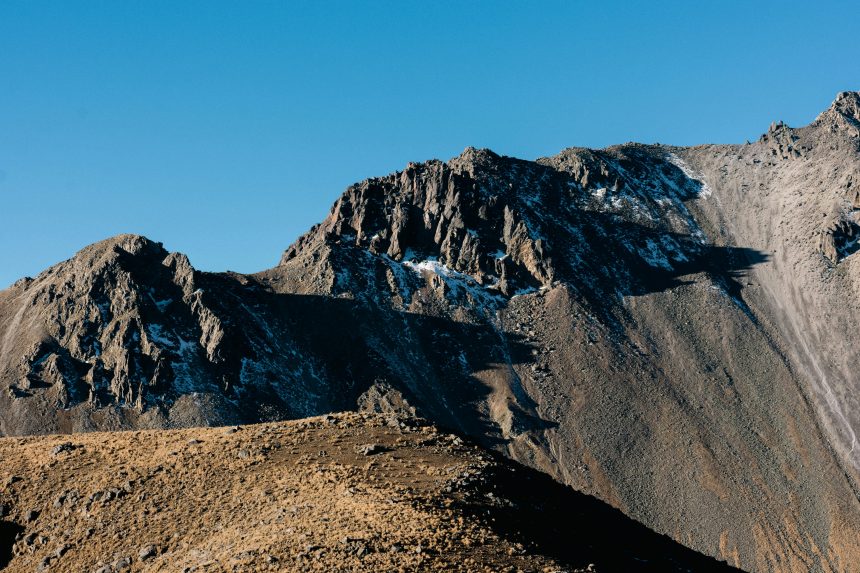
Mexico’s volcanic belt cuts across the country, creating some of its most dramatic hiking routes. Trails around volcanoes like Popocatépetl, Iztaccíhuatl, and Nevado de Toluca climb through pine forests into exposed alpine landscapes, where views stretch across valleys and distant peaks.
These hikes vary from steady day walks to demanding summit attempts, often reaching elevations well above 4,000 metres. Weather can shift quickly, and altitude plays a major role, but the rewards are expansive views and a rare sense of scale just outside major cities.
Deserts, Canyons & Coastal Paths
Beyond the high mountains, Mexico opens into deserts, deep canyons, and long coastal trails. In the north, arid landscapes offer stark, remote hikes through cactus-lined paths and rocky valleys, while regions like Copper Canyon provide vast trail systems carved over centuries.
Along the coast, hiking routes follow cliffs, beaches, and headlands where land meets sea. These lower-altitude walks offer a different pace — warm air, open horizons, and trails shaped by erosion rather than elevation.