





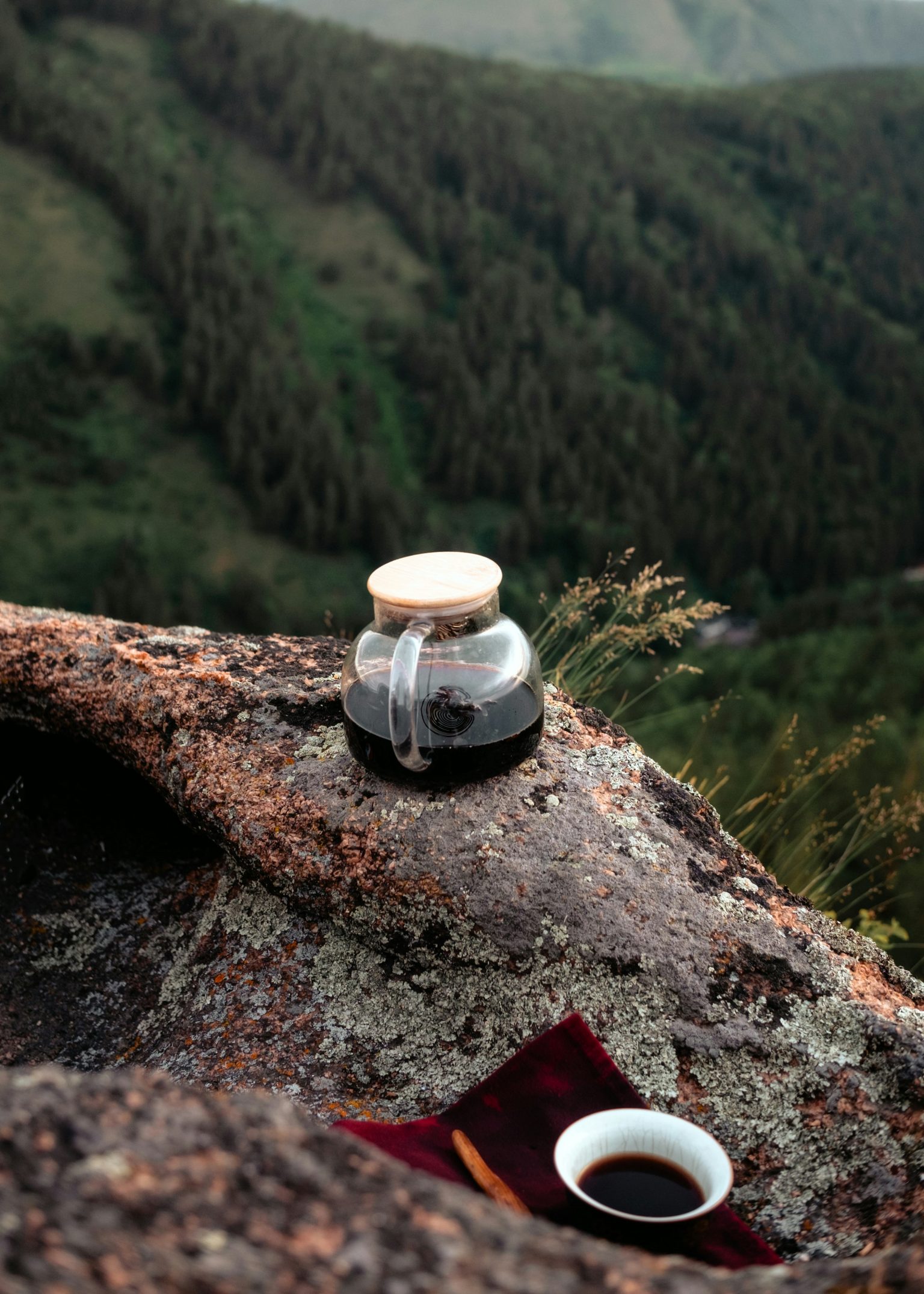

When you’re out hiking or walking long distances, the little rituals you bring with you can make the experience even more rewarding. For many outdoor lovers, that ritual is tea. And while classic brews like chamomile or English breakfast have their charm, matcha stands out as one of the best teas you can take on a hike. Whether you’re climbing a ridge at sunrise or taking a quiet break deep in the forest, matcha blends naturally with the pace and rhythm of the trail.
Matcha is ideal for hiking because it delivers a smooth, steady boost of energy without the crash that comes from regular coffee. The combination of natural caffeine and L-theanine provides focus and calm, perfect when you’re navigating winding paths or taking long, mindful strides.
It’s also incredibly easy to prepare on the go: just add hot water, whisk or shake, and you’re ready to enjoy a vibrant green cup that warms you from the inside out. Many hikers love matcha for its earthy flavour, which somehow feels right at home in the woods, on mountaintops, and by quiet lakes.
Another reason matcha pairs so well with walking
You don’t need tea bags, strainers, or extras, just a small tin of powder and a lightweight flask. It’s also packed with antioxidants, making it a great companion for long, active days outside. And beyond the health benefits, there’s the simple pleasure of pausing mid-hike, breathing in the cool air, and sipping something warm and grounding.
Without website navigation, your visitors can’t figure out how to find your blog, your email signup page, your product listings, pricing, contact information, or help docs.
Matcha contains both caffeine and L‑theanine. The L-theanine slows caffeine absorption, which means the boost in energy and alertness comes gradually and lasts longer — often 4–6 hours.
Mental clarity, focus, calm
On a hike you often need to balance physical effort with awareness of your surroundings, footing, landmarks, weather. So having calm clarity (rather than jittery overstimulation) can make the hike more pleasant and safer.
What to watch out for (possible downside or things to plan)
Even though matcha’s caffeine tends to be gentler than coffee, it still contains caffeine, and depending on how much you use, you could get 40–180 mg or more per serving.
- For people sensitive to caffeine (or trying to hydrate a lot), too much matcha might still cause issues (e.g. sleep disruption, mild jitteriness).
- There’s some evidence that frequent consumption of matcha (or other teas) may reduce absorption of non-heme iron (the kind of iron found in plant-based foods).
- That might matter if you’re vegetarian/vegan or rely on plant iron sources, in those cases, it’s wise to wait a bit after drinking matcha before eating iron-rich meals.
Matcha tastes “grassy” or “earthy,” which some people love, but others may find off-putting, especially on the trail without extras like sugar or milk.
One of the best ways to use repetition and rhythm in web design is in the site’s navigation menu. A consistent, easy-to-follow pattern, in colour, layout, etc. Gives users an intuitive roadmap to everything you want to share on your site.
Why I Bring Matcha on the Trail
When I’m out hiking or walking long distances, I love having a simple ritual that grounds the moment. For me, that ritual is matcha. I carry it because it gives me a smooth, steady energy boost without the crash I get from coffee. The combination of caffeine and L-theanine keeps me alert but calm, exactly what I want when I’m navigating trails, taking in views, or just settling into the rhythm of walking.
How Matcha Supports My Hiking Style
I’ve found that matcha matches (no pun intended) the way I like to hike: steady, mindful, and present. The mental clarity it gives me helps with focus and awareness on the trail, but without feeling wired. And because matcha is rich in antioxidants, it doubles as a little recovery drink during long walks, especially on days when I push the pace or gain a lot of elevation.
The Practical Side: Easy to Pack & Easy to Make
One of the biggest reasons I bring matcha is how lightweight and convenient it is. All I need is a small tin or a couple of single-serve packets. I just add water, hot if I have a flask, cold if I don’t, shake it, and it’s ready. No bags, no strainers, no gear. Even on longer hikes, it barely adds any weight to my pack, which is always a win.
What I Learned from Other Hikers Online
Before I made matcha my go-to hiking drink, I checked what other hikers were saying online. Many Reddit users mentioned using single-serve matcha packets, mixing them cold, and relying on them as a lighter alternative to coffee. Knowing that other backpackers were doing the same thing made me more confident to try it myself. Now it’s part of my hiking routine.
Where Matcha Fits Into My Hiking Routine
I normally drink matcha at the start of a hike or during a mid-trail break. It gives me a second wave of energy when I need it. Sometimes, I even save it for a scenic viewpoint, it’s become a small reward at the top of a climb or at a quiet clearing in the woods. It feels like a moment just for me.
A Few Things I Keep in Mind
Matcha isn’t perfect for every hike. If I’m doing something extremely long or technical, hydration takes priority. And if it’s late in the day, I avoid matcha so the caffeine doesn’t mess with my sleep. I’ve also learned to carry enough water because matcha doesn’t replace actual hydration, it’s feels more of a treat and an energy companion.
Why Matcha Belongs in My Backpack
After a lot of hikes and trial-and-error, matcha has earned its place in my pack. It’s practical, energizing, grounding, and easy to make anywhere. Whether I’m climbing ridges, wandering forest paths, or just enjoying a slow nature walk, matcha adds something special to the experience.
Practical Tips: How to Use Matcha on a Hike
ring a small tin or pouch of matcha powder, choose a decent-quality one (ideally “ceremonial” or pure matcha without fillers) for best flavour and effects. Carry a flask or thermos with hot (or at least warm) water; you don’t need boiling water — too-hot water can make matcha taste bitter.
Use a small whisk, tea-ball whisk, or even just a stirring stick to mix the powder; shake-style mixing can work fairly well if you don’t mind a bit of granularity themselves are quite different.