




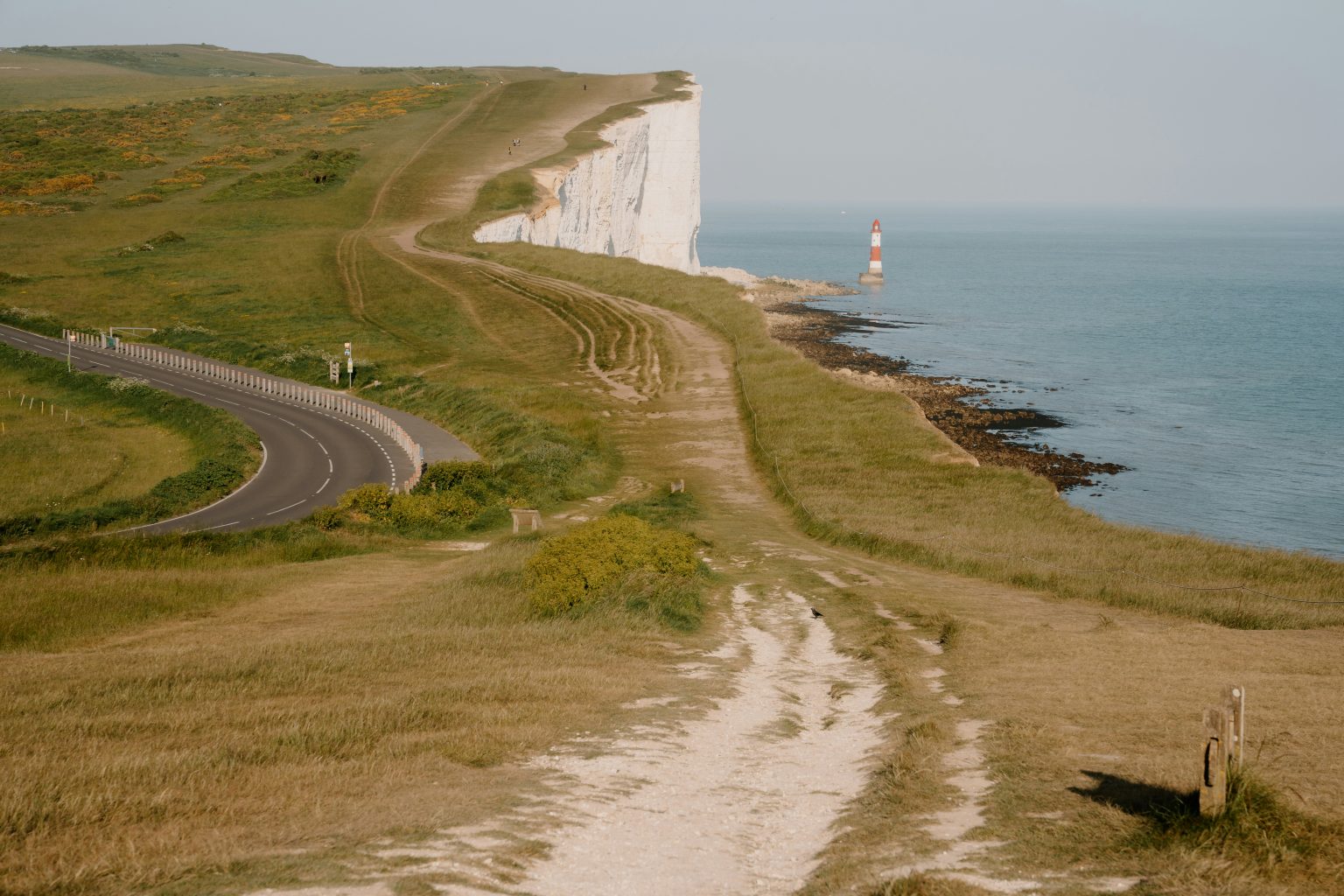


Stretching 100 miles from the historic city of Winchester to the iconic white cliffs of Eastbourne, the South Downs Way is one of England’s most loved long-distance hiking routes. Its sweeping ridge-top trails, panoramic countryside views, and gentle undulating terrain make it perfect for both seasoned hikers and beginners looking for a rewarding multi-day adventure.
Whether you’re tackling the entire trail or savoring shorter sections, this route invites you into a peaceful world of wide-open skies, ancient woodlands, and charming villages, ideal for hikers who want beauty without extreme altitude.
And if you enjoy pairing your hikes with your favourite drinks, the South Downs Way offers countless scenic spots to stop, rest, and sip something warm, like a soothing cup of matcha tea.
Why Hike the South Downs Way?
The trail feels wonderfully remote in parts, but its proximity to towns and transport links makes it incredibly accessible. You can reach the path from both London and Brighton within 90 minutes.
Much of the trail follows an elevated ridge, giving you sweeping views across rolling farmland, the distant sea, and picturesque valleys. Sunrise and sunset walks here are unforgettable. You’ll pass Iron Age hill forts, ancient yew forests, old coaching routes, and timeless villages like Amberley and Alfriston.
Split the route into comfortable sections with cozy B&Bs, or enjoy a relaxed day hike from one village to the next.

A common question hikers ask is, “Which direction should I walk the South Downs Way?” The truth is, there’s no wrong choice, but many walkers prefer going West to East, starting in Winchester and finishing at the dramatic cliffs of Eastbourne.
This direction lets you save the stunning coastal finale for the end of your journey, creating a powerful sense of completion. Another advantage is that you’re more likely to have the prevailing winds at your back, which can make the long ridge sections feel a little easier.
That said, if you’d rather begin by the sea and make your way inland, hiking East to West works just as well and offers its own kind of charm.
Matcha Tea on the Trail
Since you like hiking and matcha tea, the South Downs Way gives you plenty of beautiful, peaceful moments to enjoy a cup:
And after a day’s walking — maybe reaching a cosy B&B or a nice pub garden — matcha (hot or iced) can be a calm, grounding ritual.
Imagine sipping warm matcha on a ridge at sunrise, with views over chalk hills and meadowland — a tranquil moment before the day’s walk.
On longer walking days, matcha gives a gentle energy boost and helps you stay alert without the crash that heavier caffeine drinks can bring.
It’s lightweight and easy to carry — perfect for multi-day hikes. A small insulated flask + matcha powder = instant refreshment anywhere along the trail.

Why Matcha Works for Hikers
Sustained, gentle energy: Matcha contains caffeine and the amino acid L-theanine. Together, they deliver a smoother, more stable energy boost than coffee, fewer jitters and no harsh crash, more calm alertness and steady stamina.
Mental clarity & focus: Studies suggest matcha helps improve attention, reaction time, and concentration, useful when you’re navigating trails or simply soaking in wide-ranging views from the downs. Antioxidants and recovery support: Matcha is rich in antioxidants (like catechins, e.g. EGCG) that help the body fight oxidative stress, which can be especially helpful when you’re outdoors, exposed to sun, wind, and physical exertion all day.
Lightweight and easy to pack: As a powdered tea, matcha is far lighter and more compact than carrying multiple tea bags or coffee — ideal for a multi-day hike where pack weight matters.
Flexible — hot or cold: Matcha works hot or cold. On chilly ridge-top mornings, a warm cup warms you up. On sunny midday stretches, iced matcha becomes a refreshing pick-me-up.
Best Views on the South Downs Way
If you walk the South Downs Way, there are some standout spots where the scenery really takes your breath away.
Devil’s Dyke — This dramatic V-shaped valley offers sweeping views over the South Downs and the chalk hills. From this vantage point you can see long ridges and gently rolling countryside stretching off into the distance. It’s a great place for a break, a photo, or to enjoy a quiet snack (or matcha!)

Seven Sisters Cliffs / Coast-side Finish — As you approach the end of the South Downs Way, the coastal cliffs and sea views at Seven Sisters reward you with a dramatic change of scenery. Walking along the cliff-top paths gives you striking contrasts between green downs and the white chalk cliffs dropping into the sea, especially beautiful at sunrise or sunset.
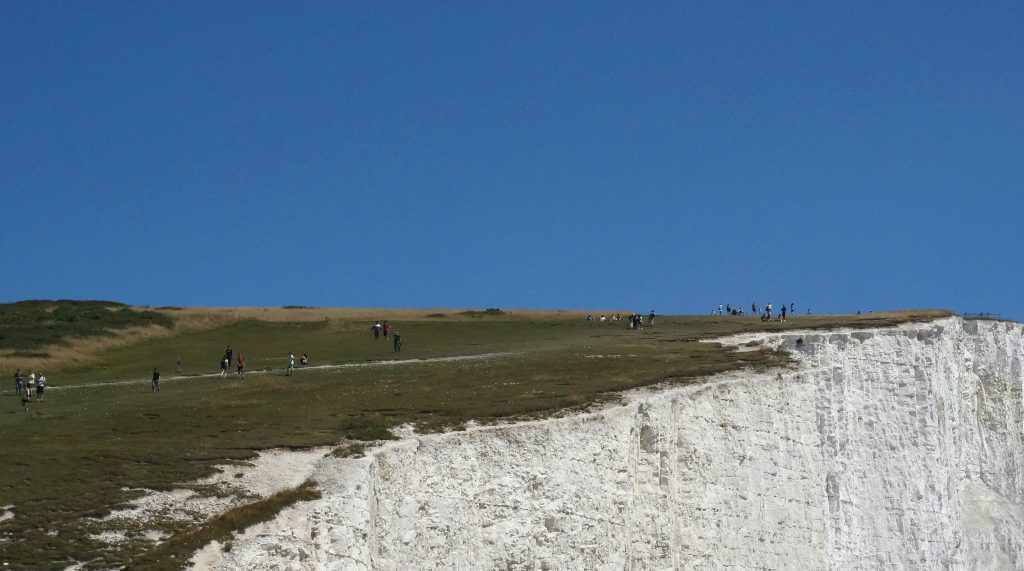
Ridge Lines & Chalk Hills Between Winchester and Eastbourne — Much of the trail follows high ridges and chalk hilltop routes. On clear days, these ridgelines give panoramic views across farmland, valleys, and undulating countryside. These sections offer some of the most peaceful, sweeping downland vistas in England.
Sunrise or Sunset over the Downs — Some of the best views come not just from where you are, but when you hike. Early-morning or late-afternoon light casts golden tones across hills and ridges — especially effective along high points of the trail.