





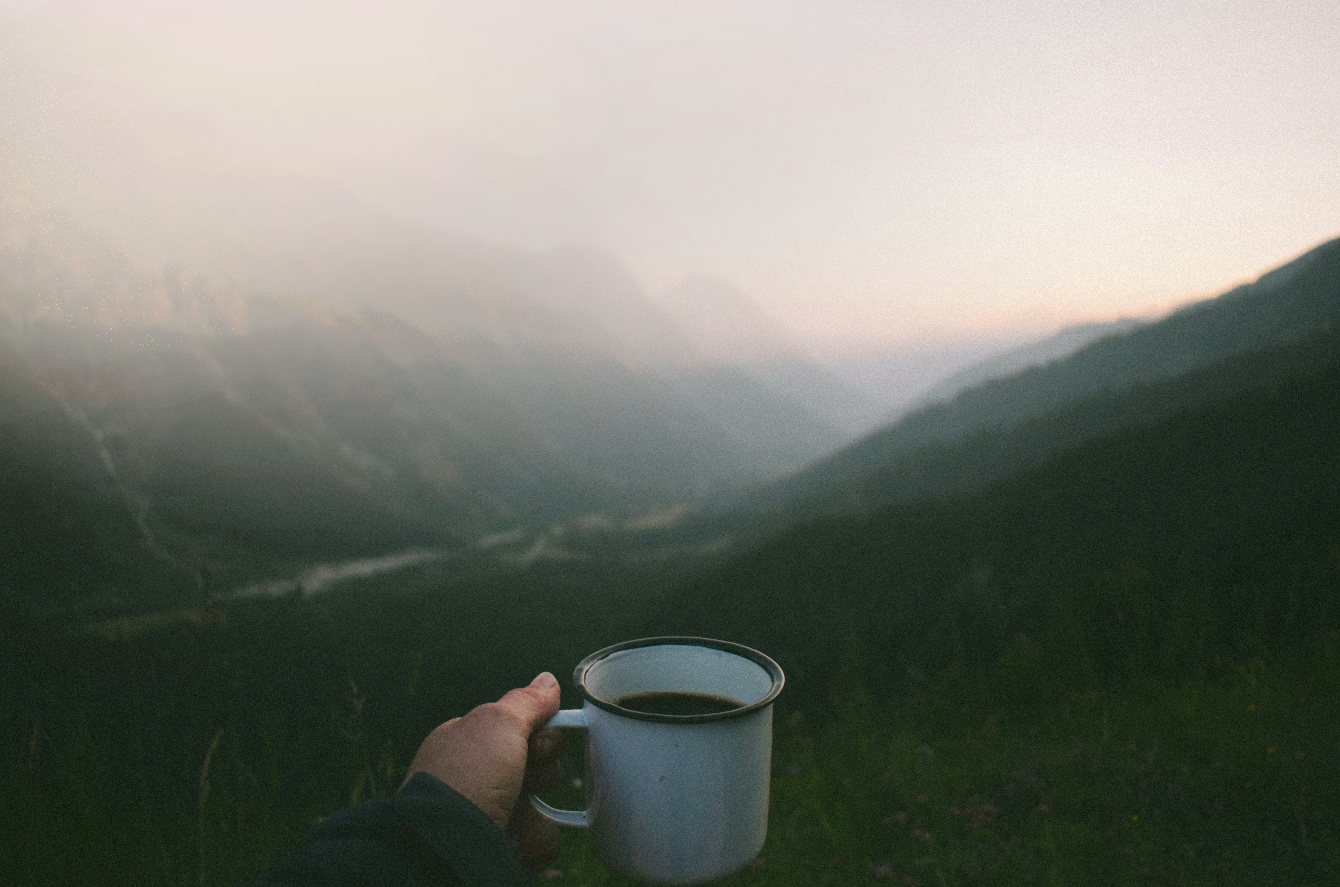
There’s something magical about drinking coffee outdoors. Maybe it’s the crisp morning air, the quiet before the trail wakes up, or the pride of brewing something warm and delicious miles away from the nearest café. Whatever it is, nothing hits quite like a cup of coffee made in the wild.
But let’s be honest
Not all trail coffee is created equal. If you’ve ever choked down a gritty, lukewarm cup made from sad instant crystals, you know the struggle.
Good news: making an exceptional cup of coffee outside is easier than you think. You just need the right method, a little know-how, and the right gear.
Here’s how to brew the perfect cup of trail coffee, no matter where your boots take you.
Choose Your Brewing Method
Your ideal trail coffee setup depends on your weight limits, taste preferences, and how much effort you’re willing to put in before sunrise. Instant coffee is the lightest and simplest option, and modern brands have improved so much that many hikers keep packets in their kits for reliably quick brews. If you prefer something closer to the coffee you’d make at home, a portable pour-over system offers an excellent balance between flavor and packability. Collapsible silicone drippers or ultralight cloth filters let you enjoy rich, clean coffee without carrying heavy gear. For those who want truly café-quality coffee, the AeroPress remains a favorite because it delivers a smooth, full-bodied cup with surprising ease. And if you’re a minimalist who enjoys the ruggedness of old-school methods, cowboy coffee is always an option — just coffee grounds, hot water, and a bit of patience.
Heating Your Water the Right Way
Water temperature can make or break your brew, and it matters more than people realize. Ideally, you want your water just below boiling, around 195–205°F, to avoid burning the coffee or under-extracting it. If you don’t carry a thermometer, simply wait about thirty seconds after the water reaches a full boil before pouring it over your grounds. Most hikers heat their water using compact backpacking stoves like the MSR PocketRocket or Jetboil, which heat water quickly and efficiently. A campfire also works and brings a classic charm to the process, though it can be slower and less predictable. No matter the heat source, resist the temptation to rush — cold or lukewarm water will flatten even the best beans.
Using Freshly Ground Coffee
If flavor is important to you, freshness matters. Bringing freshly ground coffee from home in a sealed container can dramatically improve the taste of your trail brew. Serious coffee lovers might even pack a small manual grinder and whole beans, which guarantees peak freshness, though at the cost of extra weight. Most hikers strike a balance by grinding their beans right before their trip, then storing them in an airtight bag or jar. A little prep goes a long way, and you’ll taste the difference with every sip.
Dialing in Your Coffee-to-Water Ratio
A good ratio is essential for consistent results, even in the backcountry. The golden rule is one to two tablespoons of coffee for every six ounces of water. Of course, measuring spoons aren’t always in a hiker’s pack, so improvisation becomes part of the craft. A heaping spoonful usually approximates a tablespoon, and many backpacking cooking systems hold around sixteen ounces of water, making it easy to estimate your portions. Once you find a strength you’re happy with, stick to it — consistency is the key to a great trail routine.
Choosing the Right Trail Coffee Gear
The gear you bring will depend on your hiking style. Ultralight backpackers will want the simplest setup possible: instant coffee packets, a small titanium pot, a compact stove, and a collapsible mug. Coffee lovers who prioritize flavor may opt for an AeroPress Go, a small coffee scoop, a titanium mug, and perhaps a tiny hand grinder for fresh grounds every morning. Minimalist hikers often bring nothing more than ground coffee, a metal mug, and a heat source. No matter your approach, choose gear that matches your priorities — weight, convenience, or quality.
Savoring the Moment
At the end of the day, the best part of brewing coffee outdoors isn’t the caffeine — it’s the ritual. Sit somewhere quiet, warm your hands on your mug, and take in everything around you. Whether you’re in the mountains, the desert, or a peaceful forest clearing, that slow, intentional moment is what makes outdoor coffee taste so much better than anything rushed at home. Brewing in the wild gives you a reason to pause, breathe, and appreciate where you are.