







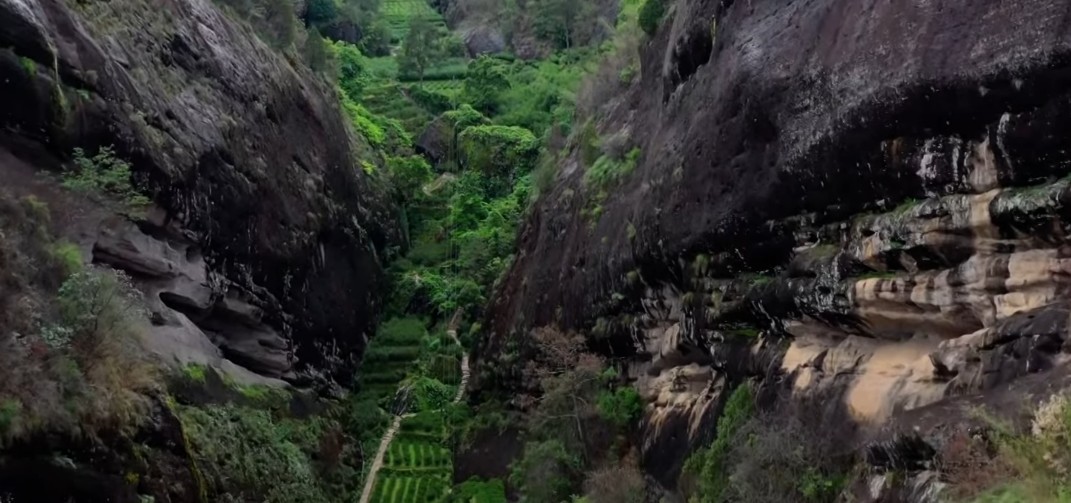
When tea lovers talk about “high-grown” teas, they’re pointing to more than just a romantic idea of misty mountains and remote gardens. Altitude plays a powerful role in shaping how tea looks, tastes, and even how it makes you feel in the cup. From the brisk slopes of Darjeeling to the lofty highlands of Taiwan, elevation influences nearly every step of a tea leaf’s journey.
So how exactly does altitude affect tea? Let’s climb up the mountain and find out.
The taste of tea is the taste of the earth itself.
Lu Yu, The Classic of Tea
At higher altitudes, temperatures are cooler and sunlight is less intense. Tea plants grow more slowly under these conditions, which has a surprising benefit, you guessed it! Flavour concentration.
Temperature Swings Enhance Aroma
High-altitude regions typically experience significant differences between daytime and night-time temperatures. Warm days encourage photosynthesis, while cool nights slow respiration in the tea plant.
This temperature contrast helps preserve aromatic compounds in the leaves, leading to teas that are:
- More fragrant
- More layered in aroma
- Often described as floral, fruity, or honeyed
That’s why high-grown teas like Darjeeling or high-mountain oolongs are prized for their captivating scents.
Stress Makes Better Tea (Up to a Point)
Tea plants grown at altitude face environmental stressors such as:
- Cooler temperatures
- Strong winds
- Thinner air
- Less oxygen
In response, the plant produces more protective compounds, including polyphenols and antioxidants. These compounds not only help the plant survive but also contribute to:
- Brightness and structure in the cup
- A refined bitterness that balances sweetness
- Potential health benefits
This is a classic example of how a little stress can lead to excellence—though extreme stress can harm quality, so balance is key.
The Texture of the Tea and Mouthfeel Improve with Altitude
Many high-altitude teas are praised for their smooth, silky mouthfeel. With the Increased amino acids and reduced harsh tannins, these teas often result in:
- Softer astringency
- Creamier texture
- Clean, lingering finish
This is especially noticeable in high-grown green teas and oolongs, which can feel light yet remarkably expressive on the palate.
Lower Yields, Higher Value
While altitude enhances quality, it often reduces quantity. High-elevation tea gardens typically have:
- Shorter growing seasons
- Slower harvest cycles
- Smaller leaf yields
As a result, high-altitude teas are often more expensive. The higher cost reflects not only rarity but also the labour-intensive cultivation and careful plucking required in steep, mountainous terrain.
Altitude and Tea Types: What Changes?
Different tea types respond uniquely to altitude:
White Tea
Cooler climates can enhance delicacy and fragrance, producing subtle, elegant teas with gentle sweetness.
Green Tea
High-altitude green teas tend to be sweeter and more aromatic, with less bitterness and a clean, refreshing finish.
Oolong Tea
Some of the world’s most famous oolongs—like Taiwanese high-mountain oolongs—are grown at altitude, prized for their floral aromas, creamy texture, and long-lasting aftertaste.
Black Tea
High-grown black teas often have brighter acidity and complex flavors, ranging from citrusy and floral to muscatel and honeyed.
Not All Great Tea Is High-Grown
While altitude has many advantages, it’s important to note that great tea can come from any elevation. Low-grown teas can be bold, malty, rich, and full-bodied—qualities prized in many breakfast teas and traditional styles.
Altitude doesn’t determine quality on its own. Other crucial factors include:
- Soil composition
- Climate and rainfall
- Tea cultivar
- Plucking standards
- Processing skill
Think of altitude as one influential ingredient in a much larger recipe.
You’re Tasting Not Just Tea
. By slowing growth, enhancing aroma, and encouraging the development of complex compounds, high elevations often produce teas that are elegant, expressive, and memorable.
The next time you sip a high-grown tea, take a moment to imagine the cool mountain air, drifting mist, and patient leaves growing slowly toward perfection. —but the landscape itself.