



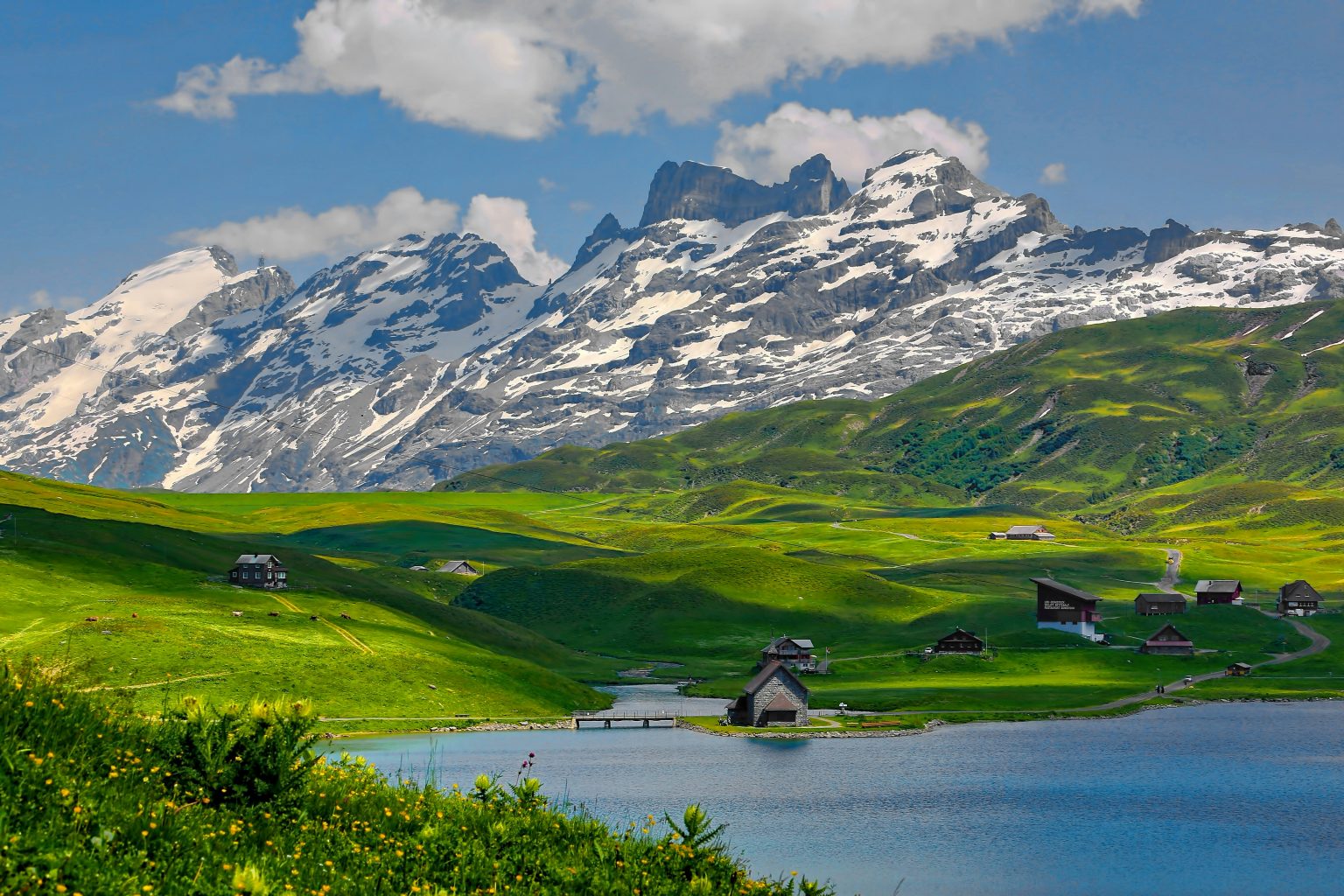


Hiking in the Swiss Alps is one of Europe’s most breathtaking outdoor experiences, towering peaks, crystal lakes, lush meadows, and well-marked trails make it a dream destination for hikers of all levels. But to enjoy those incredible views to the fullest, staying properly hydrated is essential. Fluid needs vary with altitude, weather, and exertion, but smart hydration can keep you energised, healthy, and safe throughout your alpine trek.
One of the great advantages of hiking in Switzerland is the abundance of safe drinking water. Tap water in Switzerland is drinkable everywhere, and it’s generally safe to refill your bottles at accommodations, public fountains, and mountain huts along the trail. If a fountain is marked with a drinking water symbol, you can use it without concern.
This means you often don’t need to carry huge amounts of water, just enough to reach the next refill point. In populated or lower-altitude areas, public fountains are frequent, but on more remote alpine sections, plan ahead, especially on long ridge walks where water sources can be sparse.
Water From Nature – When It’s an Option
While mountain streams and alpine springs can look inviting, it’s important to be cautious. Even though many hikers report that Swiss Alp water is clean and refreshing, it may still contain bacteria or other contaminants, especially after rain or near grazing areas. Many outdoors enthusiasts recommend using a water filter or purification method when filling from streams or lakes that aren’t marked as potable.
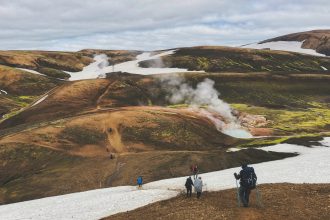
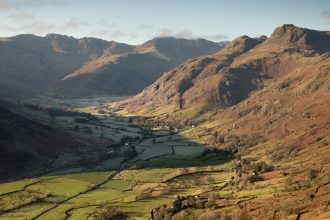
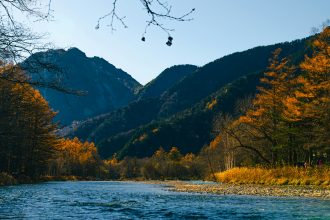
If you choose to drink from natural sources, filtering can reduce risk and give you peace of mind. Filters, purification tablets, or a compact filtration bottle are lightweight tools that many hikers bring along for this reason.
Electrolyte Beverages for Long Days
Whether you’re tackling a long day on the Haute Route, the Jungfrau region, or just tackling steep alpine passes, electrolyte drinks are a game-changer. As you sweat, especially in warm weather or at higher exertion levels, you lose sodium, potassium, and other minerals, just drinking plain water won’t replace these.
Adding electrolyte powders or tablets to your water helps:
- Maintain fluid balance
- Reduce muscle cramps
- Improve endurance on long hikes
Many hikers use lightweight electrolyte mixes that dissolve easily in water and provide both hydration and mineral replacement without added sugar.
How Much to Drink
Hydration isn’t just about drinking when you’re thirsty, by that point, you’re often already dehydrated. A good rule of thumb is to sip water consistently throughout your hike, aiming for small amounts every 15–30 minutes, rather than large gulps infrequently.
Because of the variable climate in the Alps, and especially if you’re at altitude where heat, cold, and exertion can all increase fluid loss, adjust based on conditions and how your body feels. Cold weather can mask thirst, so stay mindful even if you don’t feel parched.

Hydration Tips from Real Hikers
Real hikers in the Alps community often share tips based on experience:
- Pre-hydrate before your hike: Start the morning with good hydration so you begin your day on the right foot.
Why Hydration Matters in the Alps
At altitude and on long alpine traverses, dehydration can sneak up on you quickly. Symptoms include fatigue, headache, dizziness, and reduced endurance. Staying well hydrated supports muscle function, mental clarity, and overall performance on the trail. Combined with regular food intake, consistent fluid consumption helps prevent early fatigue and keeps your day on track.
Whether you’re hiking the iconic trails of the Berner Oberland, the slopes of Zermatt, or quiet alpine paths, planning your hydration strategy is as important as packing the right boots. With reliable water access, local tap water you can trust, and smart beverage choices like electrolyte mixes and filtered natural sources, you’ll be well-prepared to enjoy the beauty of the Alps without letting dehydration slow you down.
Hikers who frequent the Swiss Alps often agree on one thing: hydration is simple if you plan smart. Reddit hikers consistently mention how reliable Swiss tap water and mountain fountains make it easier to travel light, while still emphasising the importance of not underestimating long, exposed alpine sections. Many note that while streams can look pristine, carrying a small filter offers peace of mind, especially near grazing areas or after rain. The most repeated advice is to sip regularly, adjust intake for altitude and weather, and avoid waiting until thirst sets in. In the Alps, good hydration isn’t complicated, it’s about awareness, preparation, and respecting the terrain as much as the views.