





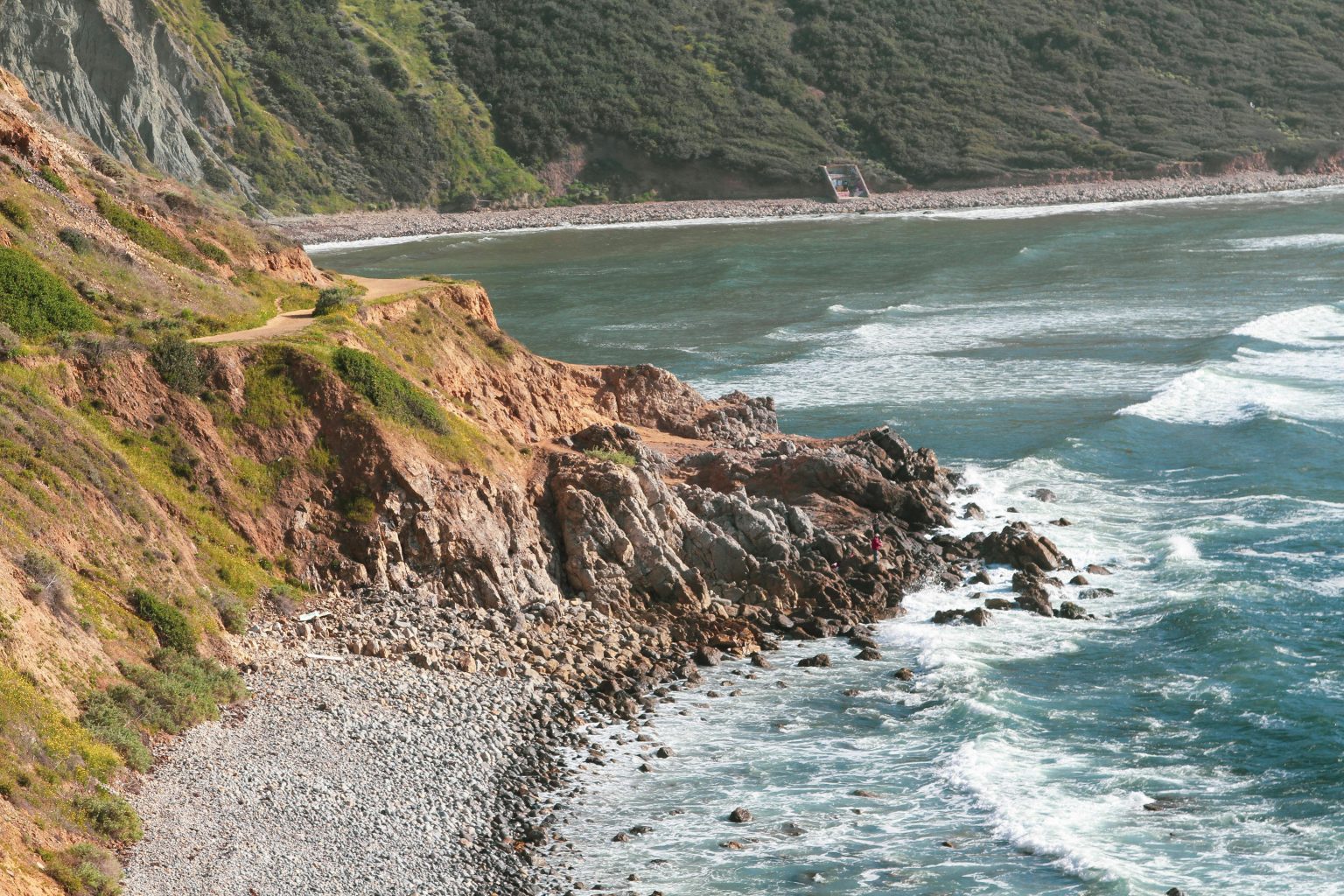


California’s coastal trails offer a rare combination of rugged cliffs, ocean air, rolling bluffs, and long stretches of sun-exposed terrain. From Big Sur and Point Reyes to the Lost Coast and Southern California shoreline hikes, these trails are stunning, but they can also be deceptively demanding. Proper fueling is essential to maintain energy, hydration, and focus while hiking along the coast.
Unlike alpine or forest hikes, coastal trails often mean direct sun, wind exposure, limited shade, and long distances between services. What you eat and drink can make the difference between a smooth hike and an exhausting one.
Understanding the Demands of Coastal Hiking
Coastal hikes may appear gentler than mountain treks, but they come with unique challenges:
- Constant elevation changes
- Wind that increases dehydration
- Salty air and sun exposure
- Limited fresh water on remote trails
Because of these factors, fueling strategies should focus on hydration, electrolytes, and steady energy rather than heavy meals.

Don’t forget, water is the most important fuel on California’s coastal trails. Many routes—especially in Big Sur and the Lost Coast—have few reliable water sources, so hikers should carry enough from the start.
Wind and cool ocean air can mask dehydration, so staying mindful of water intake is key.
Electrolytes for Sun and Salt Exposure
Sweat loss increases on coastal trails due to constant sun exposure and drying ocean winds, making electrolyte replacement especially important on longer hikes. Electrolytes help restore essential minerals like sodium, potassium, and magnesium that are lost through sweat, supporting proper hydration and muscle function. Lightweight options such as electrolyte powders or tablets, light sports drink mixes, and coconut water powders are easy to carry and simple to mix on the trail. By replenishing electrolytes regularly, hikers can maintain steady energy levels, reduce cramping, and improve overall endurance on demanding coastal routes.
Point Reyes National Seashore
One of the best places to enjoy a tea on California’s coastal trails is Big Sur, especially along the Bluffs Trail or the coastal sections of Andrew Molera State Park. These trails offer wide-open views of the Pacific, dramatic cliffs, and plenty of natural pauses where sitting down with a warm or cold tea feels intentional rather than rushed. Early morning or late afternoon is ideal, when the light is soft and the wind is calmer.

Other standout spots include:
- Point Reyes National Seashore – Tomales Point Trail
Open, windswept, and expansive, this trail is perfect for a thermos of tea during a break. On clear days, you can watch tule elk grazing while sipping, making it one of the most peaceful tea stops on the coast. - The Lost Coast – Near Big Flat or Miller Flat
For backpackers, this is a special place to enjoy tea at camp. The remoteness, crashing waves, and complete absence of crowds make tea feel like part of the landscape rather than just a drink. - Montaña de Oro State Park – Bluff Trail
Easily accessible yet stunning, this trail has benches and rocky overlooks where a short tea break pairs perfectly with ocean spray and coastal wildflowers.
In general, the best tea moments on California’s coastal trails happen where the trail opens up—clifftop overlooks, quiet beaches, or sheltered bluffs—places where the pace naturally slows and the scenery invites you to stop, breathe, and sip.
McWay Falls and the Big Sur coastal terraces.
On clear days, the contrast between deep blue ocean, rugged cliffs, and rolling green headlands is unmatched anywhere else on the California coast.
- Steep cliffs dropping straight into turquoise water
- Waves crashing far below with no buildings in sight
- The coastline curving endlessly north and south
- Condor-worthy scale that feels untouched and wild
The size and position of elements in a composition will determine its balance. An unbalanced design generates tension, which may be the goal in many design projects, but for web apps that demand repeated comfortable use, tension is not a desirable trait.